Our Story
A American Original Since 1899.
The story of Pittsburgh's Prince of Pilseners — and why it refused to stay gone.
Meet The Man Behind the Plan
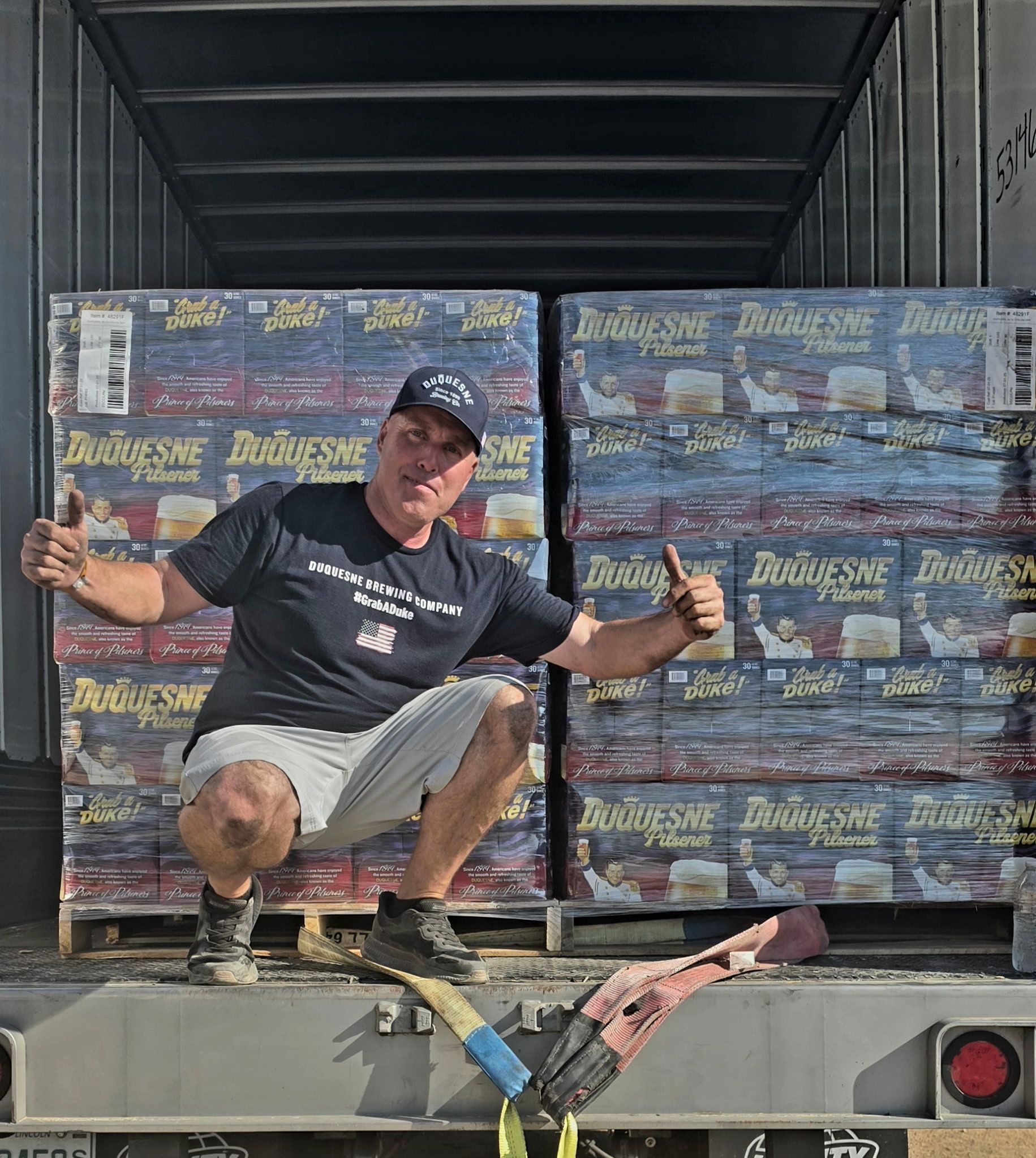
Bill Clevenger, President
Bill Clevenger grew up in a small, two-stop-light town in South Central Pennsylvania, where you worked hard, kept your word, and helped your neighbors. Nobody expected a speech about it.
His grandmother owned a beer distributorship, and she introduced him to The Duke early on. Duquesne became part of his family’s story. When the brand went quiet, Bill wanted to bring it back. It meant something to his grandmother. It meant something to him—and wanted to carry a piece of Pittsburgh’s heritage forward.
Bill spent his entire adult life in the beer business. His title is President, but you're more likely to find him behind the wheel making deliveries than behind a desk, or at a gas pump off the Interstate or pushing the wheelbarrow around a tailgate. He'll tell you it's just part of the job. So Grab a Duke. He’s working to make sure the next generation gets to have one, too.
1899
Six Guys and a Big Idea
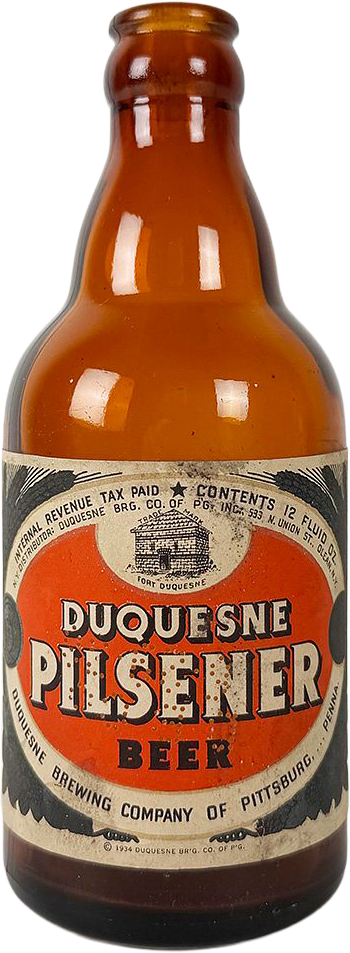
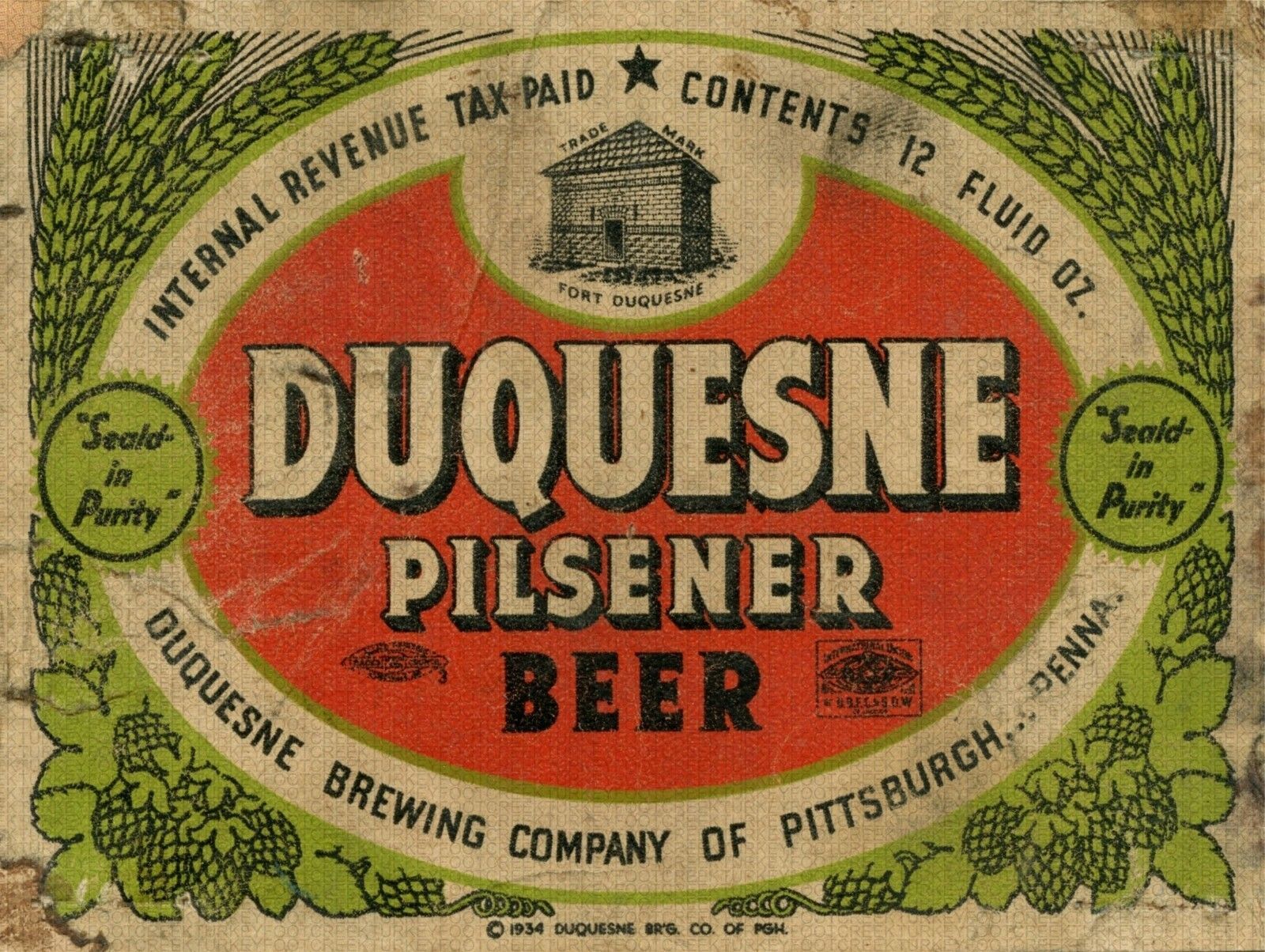
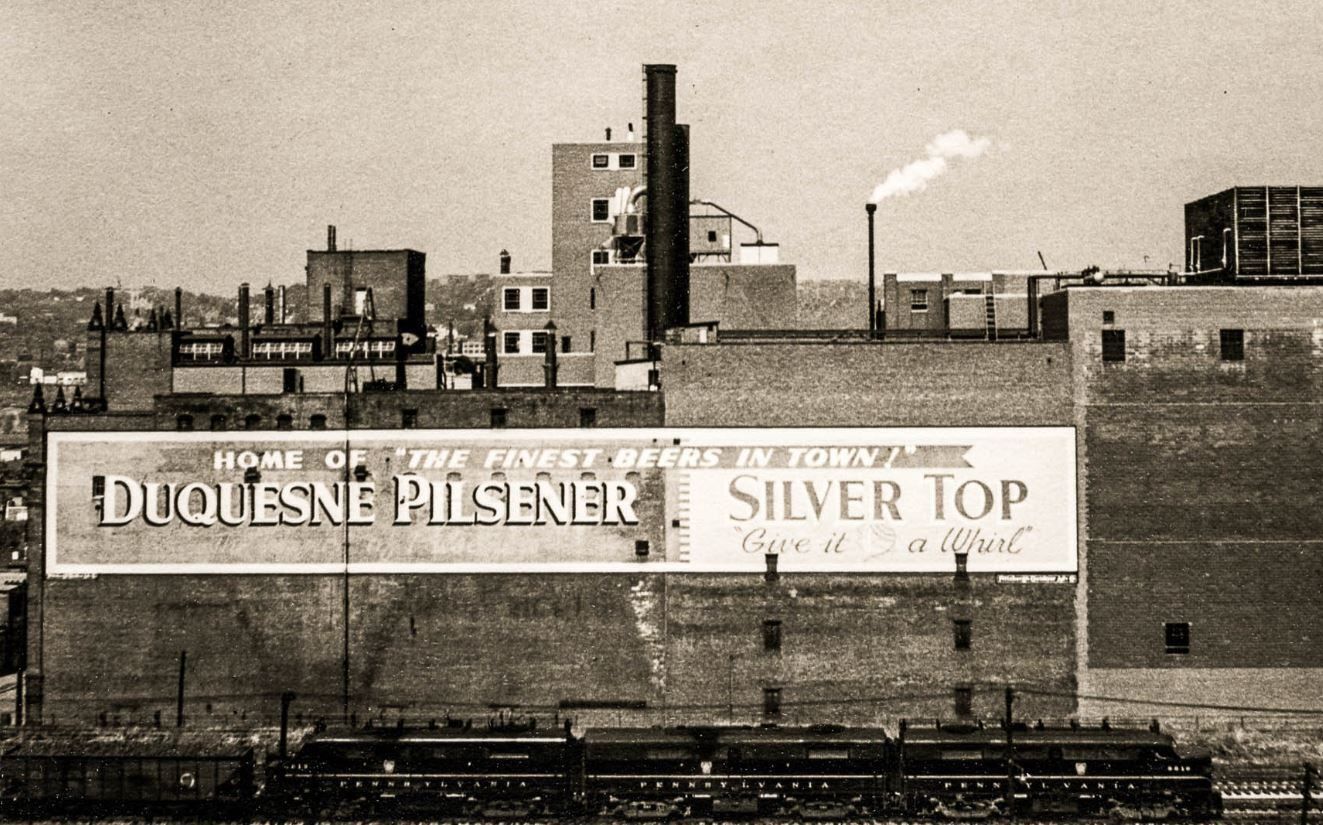
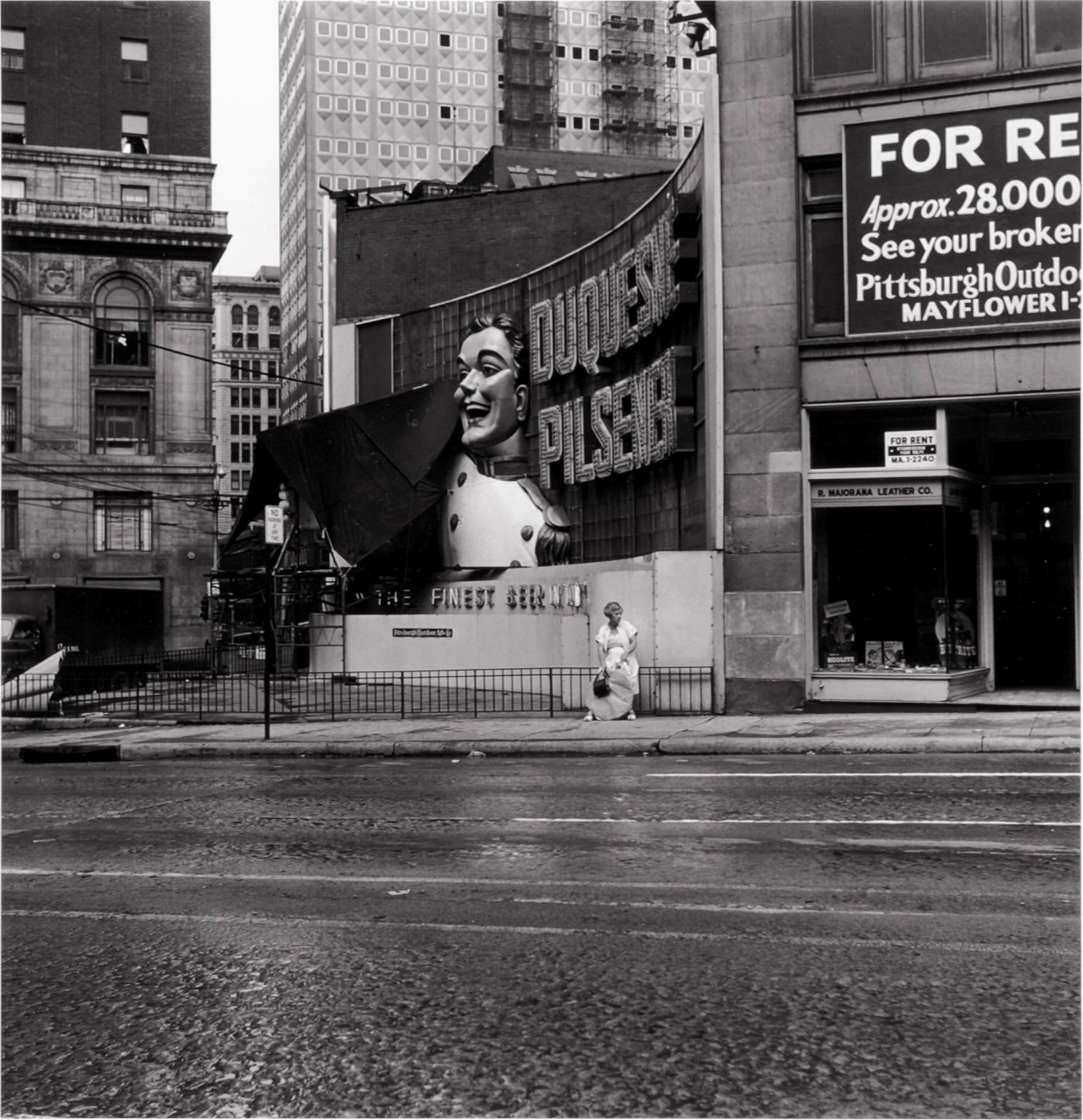
In April 1899, six South Side businessmen, led by Henry Miller, incorporated Duquesne Brewing. By September, a six-story brewery stood at 21st and Mary Streets.
The original trademark honored French colonial administrator Marquis Duquesne by depicting the historic Fort Duquesne. However, the designers featured a detailed drawing of the Fort Pitt Blockhouse, which still stands today.
1901
Ahead of Its Time
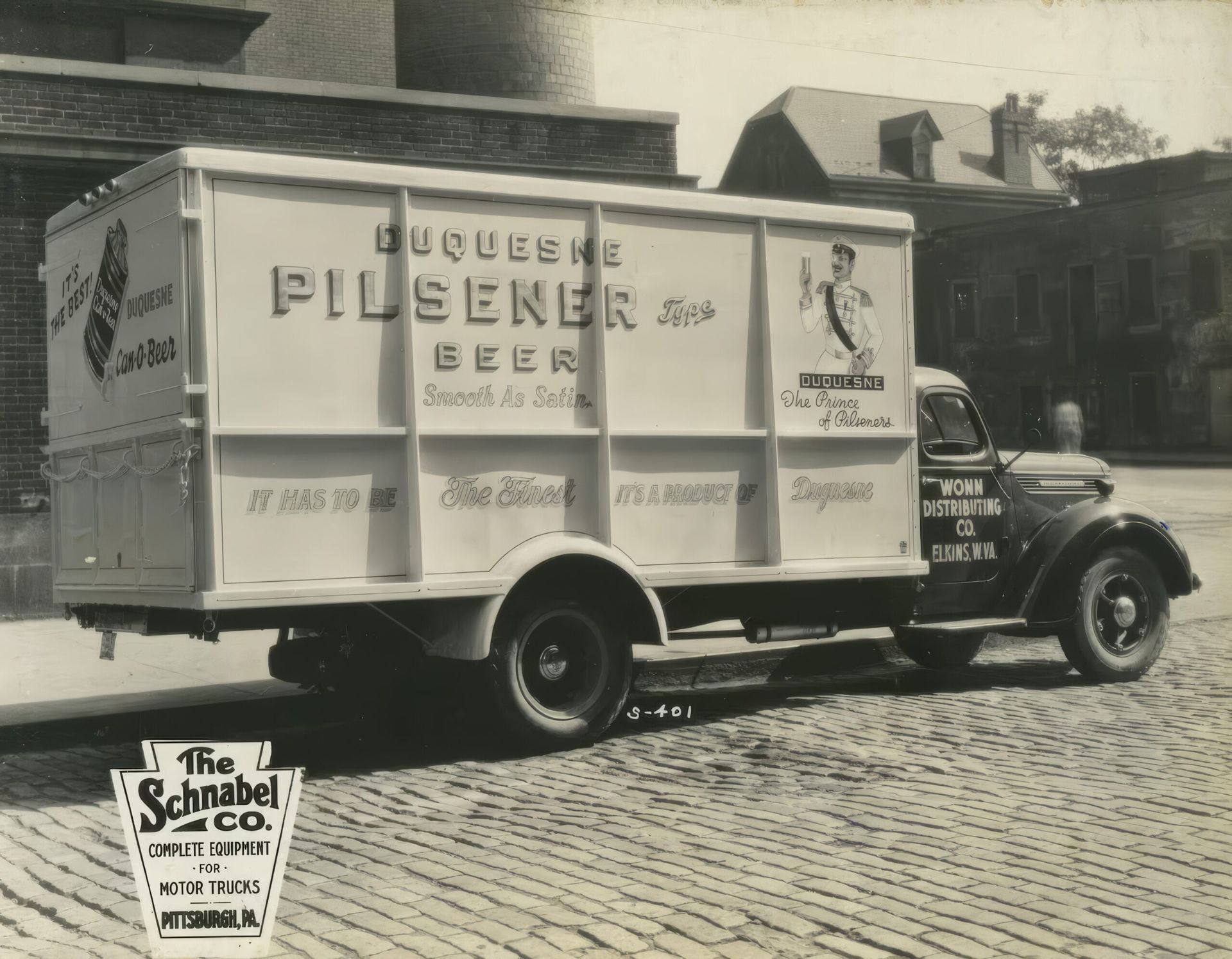
Duquesne was one of the first breweries to pasteurize bottled beer, and it ran on mechanical refrigeration, steam heat, and electric delivery trucks. Pittsburgh noticed.
To impress executives, Max Epstein, a stockyard worker, had a massive Duquesne Brewing Company logo painted across the side of a rail car. When the Duquesne representatives saw the giant rolling billboard, they immediately bought 20 more, starting Epstein's multi-billion-dollar global railcar leasing enterprise.
1920–1933
Prohibition
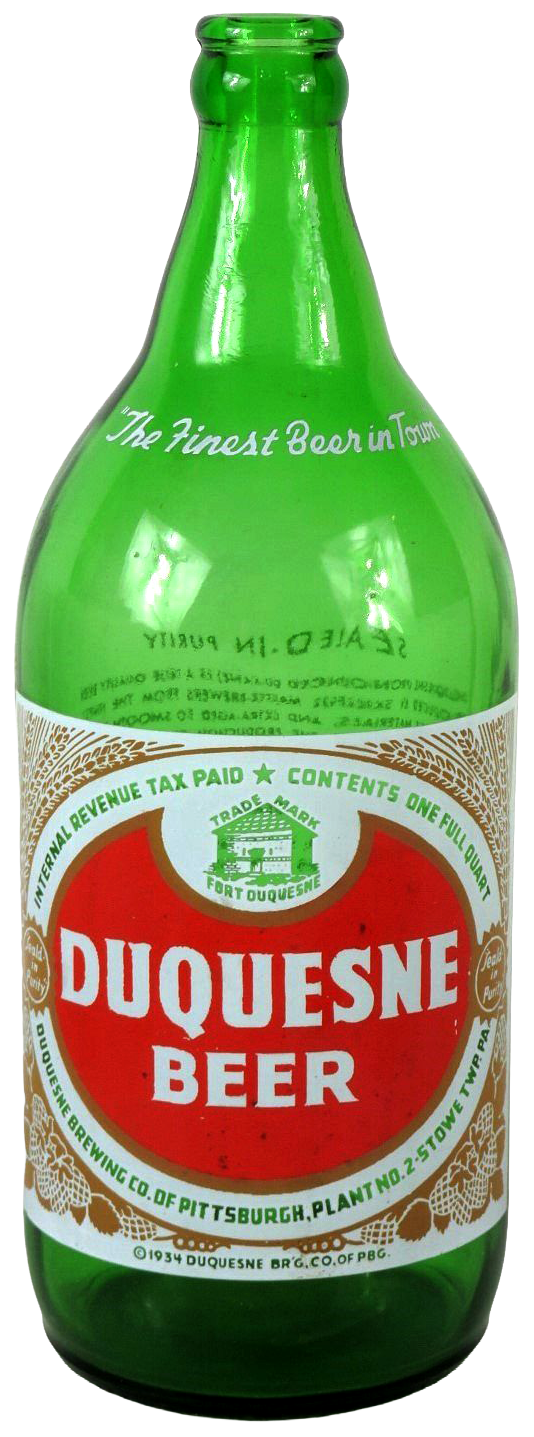
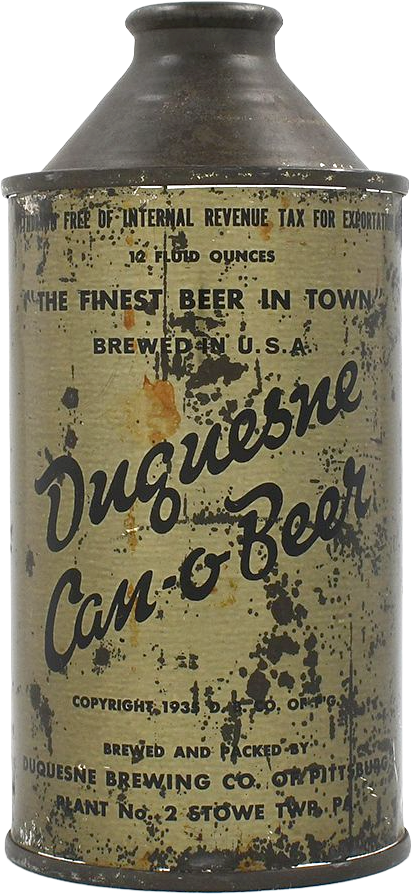
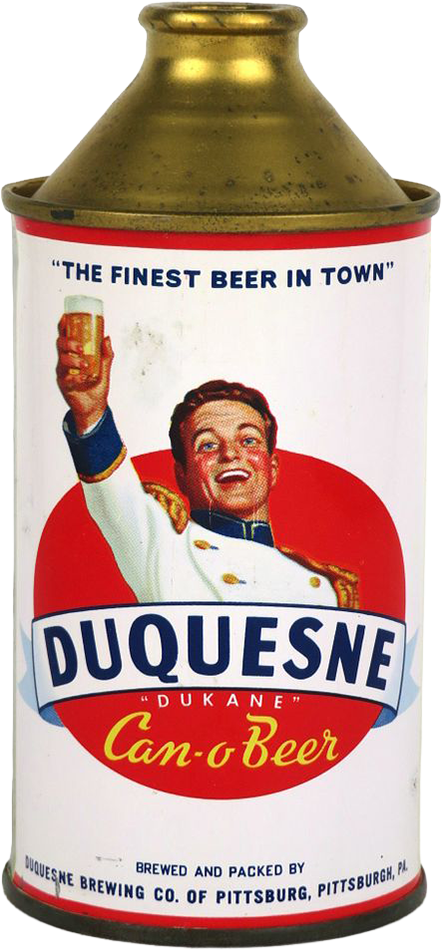
For 13 dry years, the brewery got by on near beer and grit — then closed its doors. When repeal came in December 1933, Duquesne came roaring back, and the Prince of Pilseners was born.
1940
The Biggest In Pennsylvania
690,000 barrels a year. The largest brewery in the state, the eighth-largest in America, poured in 12 states. If you worked a shift in this town, you knew the Duke.
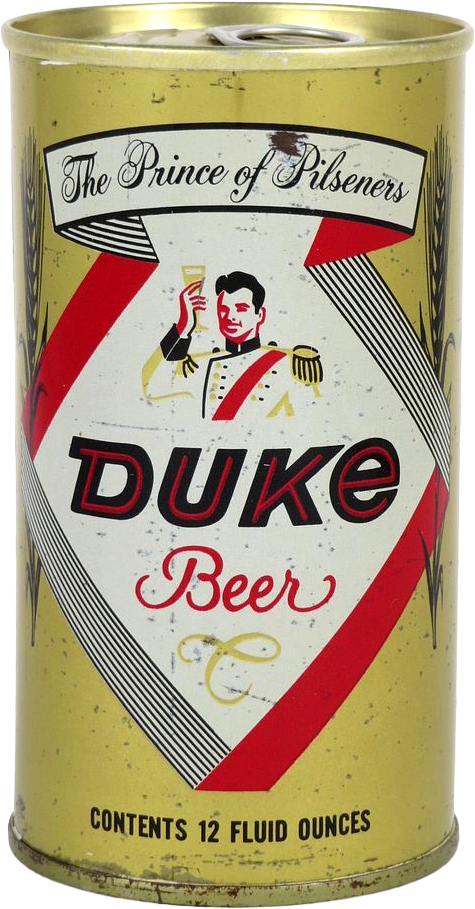
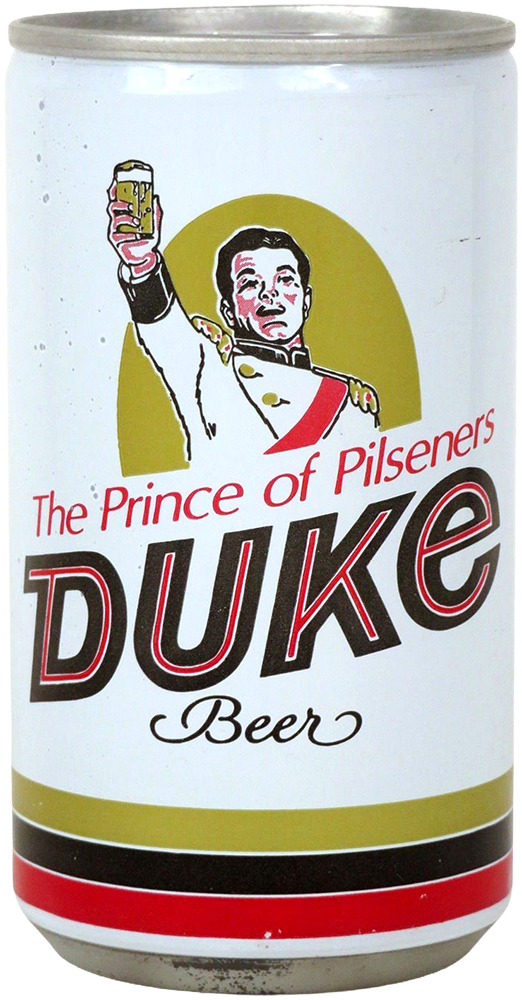
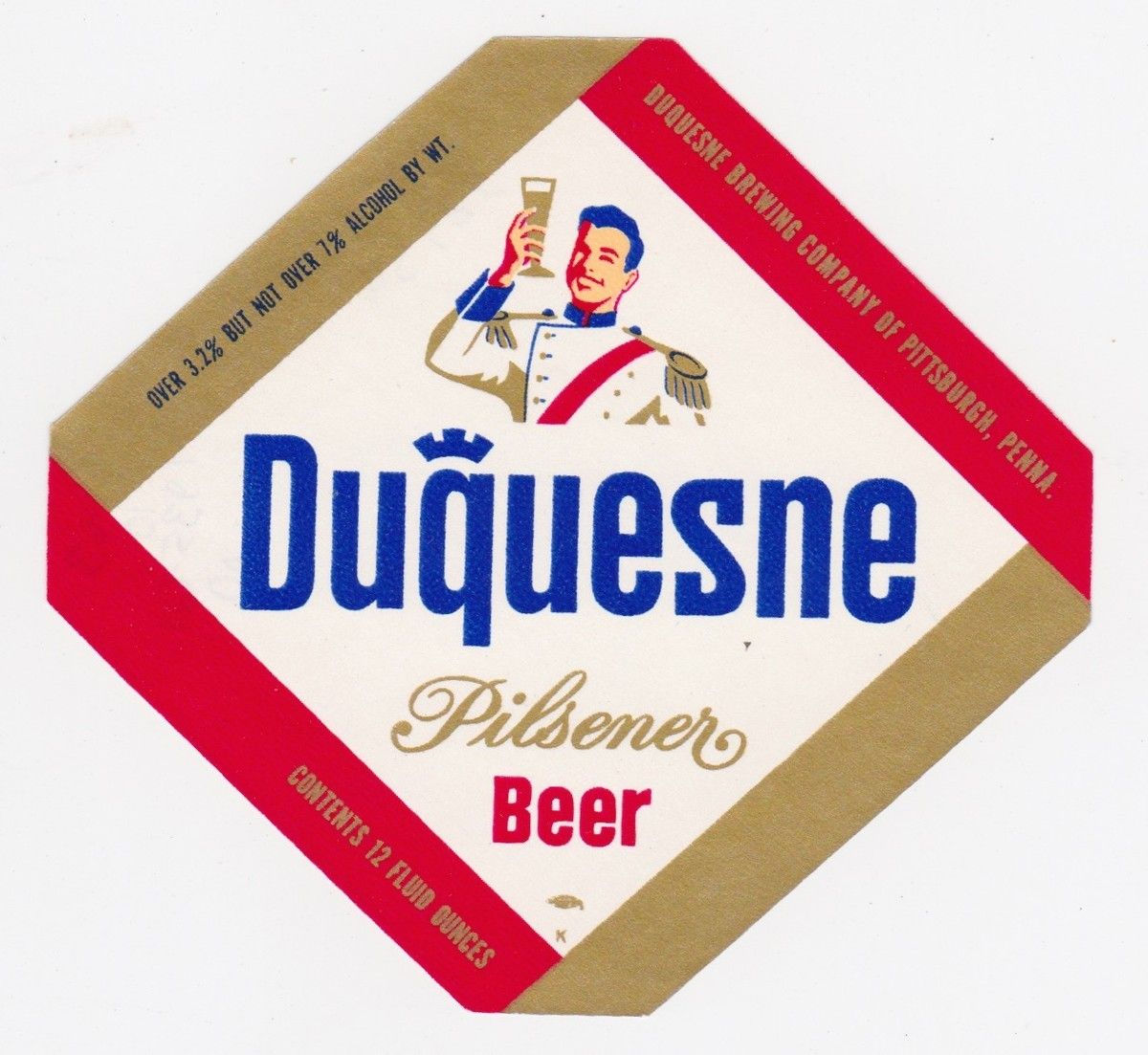
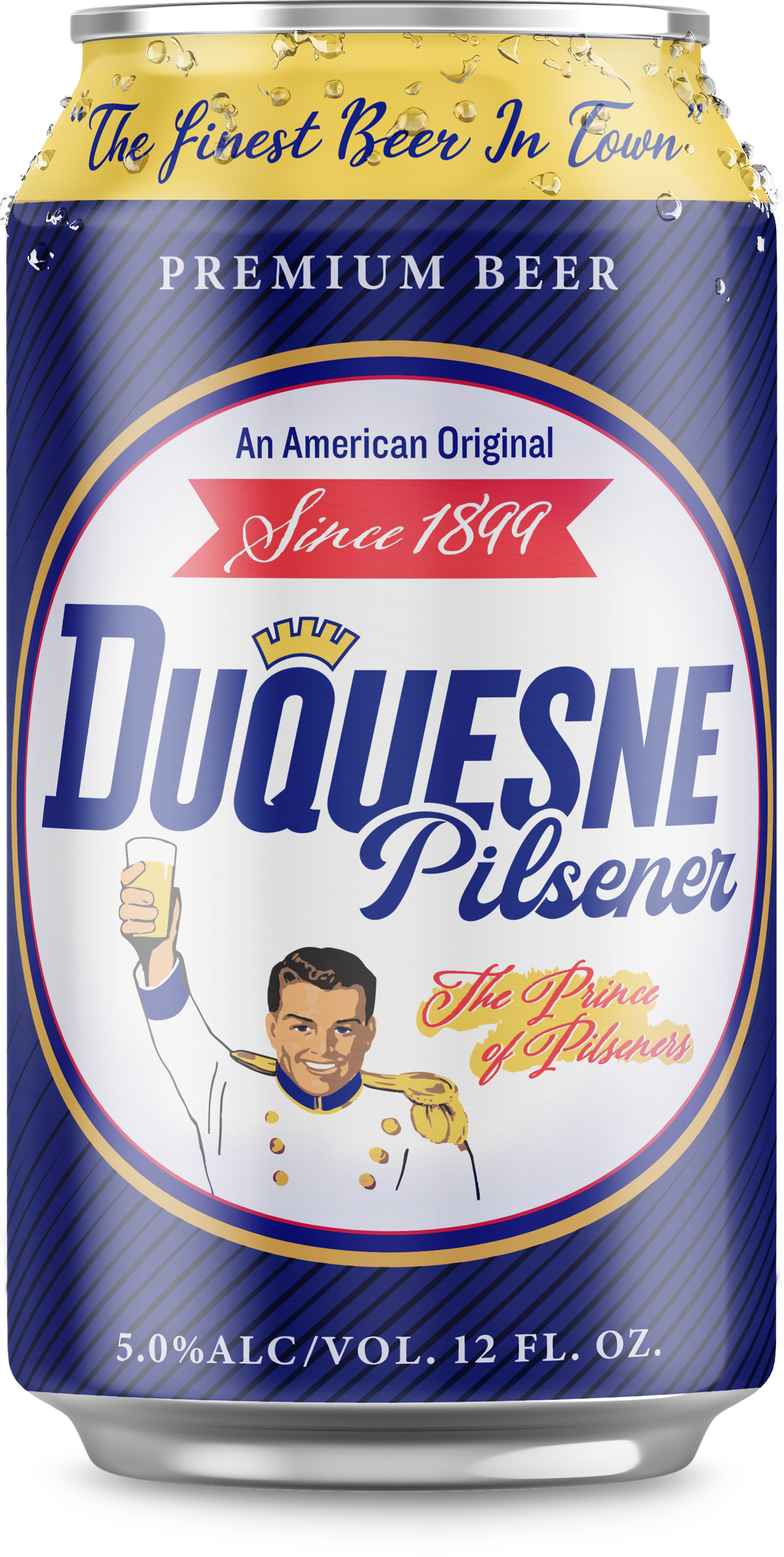
Following the repeal of Prohibition, the brewery looked to reinvent itself by introducing "The Duke". Originally, the character was a rigid, older military figure, but due to fear of alienating patriotic American workers during WWII, they rebranded him as the "Prince of Pilseners."
1960
The Clock
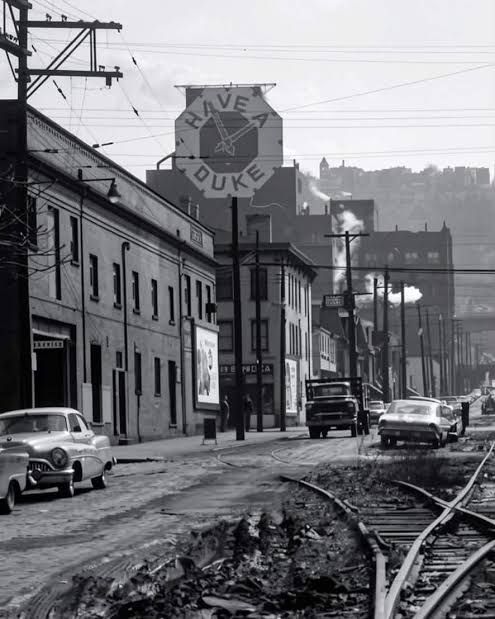
Duquesne installed a massive, octagonal advertising clock on top of its South Side brewery building. The clock's face was a staggering 60 feet by 60 feet, making it larger than the clock face of Big Ben.
Until
1962, Duquesne Beer was the primary sponsor for the
Pittsburgh Steelers' regular-season games on
WWSW Radio, as well as away games broadcast on
CBS.
1972
The Duke's Last Call
Intense competition from national brands forced Duquesne to close its physical South Side brewery in 1972 and move production to Cleveland, Ohio, sparking a boycott that eventually led to the historic brand being completely phased out of production by the 1980s.
2010
The First Comeback
Local attorney Mark Dudash and his wife Maria brought the Duke back in 2010, and the first batch sold out fast, winning a silver medal at the World Beer Championship in 2011. Dudash's retirement closed one door, but opened another.
2025
Keeping The Duke Alive
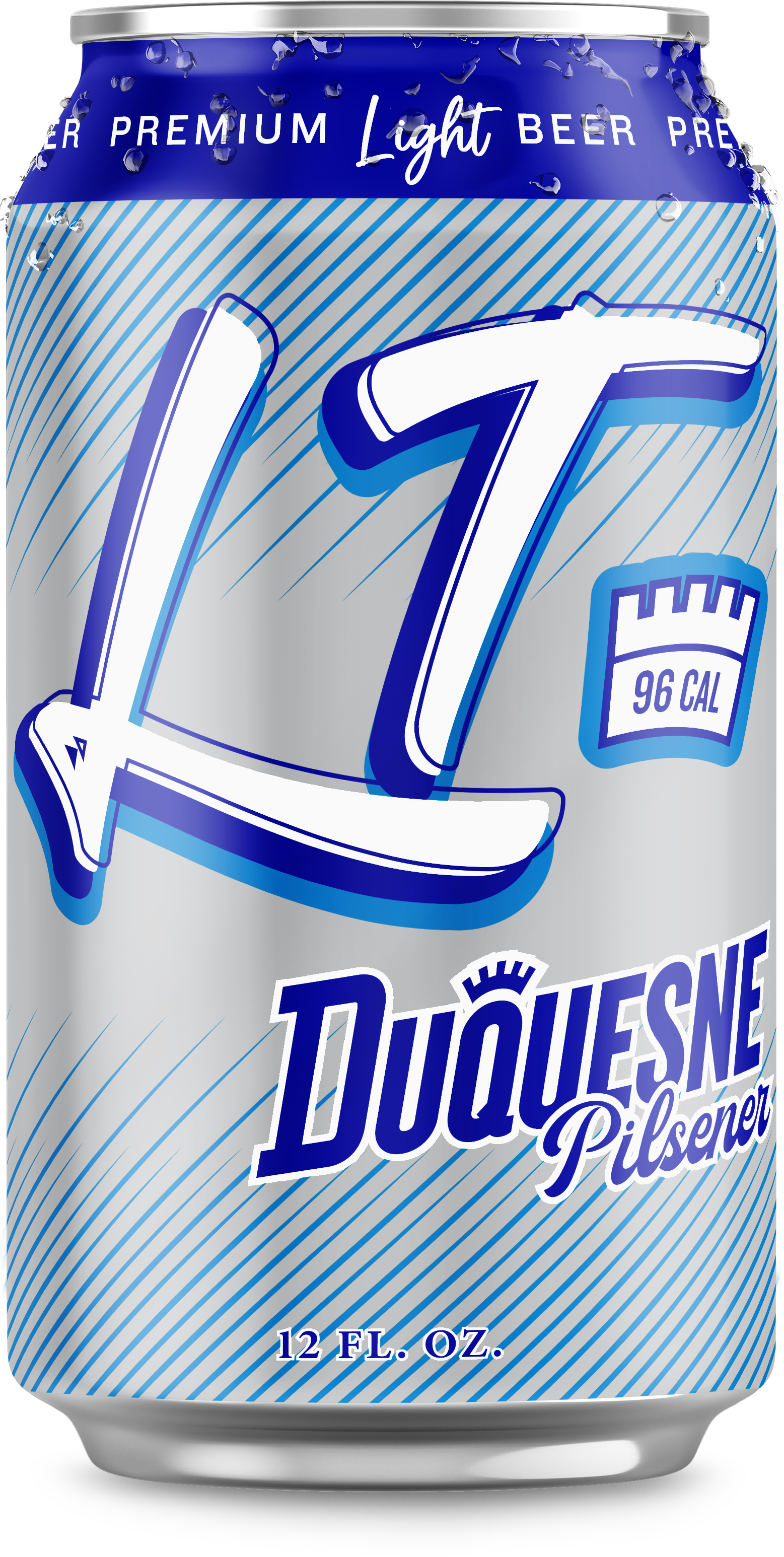
Longtime beer man Bill Clevenger — whose grandmother sold Duquesne at her distributorship — revived it again in 2025. Same original recipe. Same Prince on the can.
"I'm keeping the tradition and respecting the rich history of the brand. We're an American beer for the American worker."
Bill Clevenger
OWNER